Student-built · for high school students
ONE SECOND.
FOREVER.
The decision that changes a life takes less time than reading this sentence. These are the people who lived through the other side of it. They are filmed so you can hear it before it is your turn.
people / day
37
die in drunk-driving crashes in the U.S. — about one every 39 minutes.
deaths / year
3,500
are linked to underage drinking, including crashes, burns and drownings.
crash risk
23×
Texting while driving makes a crash up to 23 times more likely than driving undistracted.
legal BAC
0.08
is the adult limit — but most states hold drivers under 21 to zero tolerance.
Why this exists
The assembly ends.
The bell rings.
Nothing changes.
A slide with a number on it does not stop anyone from getting in a car. A person saying “I was 17, and I am still paying for that night” can.
This program collects those first-person accounts and puts them where students already are — in class, on their phones, and in the parking-permit line. Watch one film. If it makes you call for a ride even once, it worked.
Peer to peer
Written and built by a student, not a marketing agency. No adult voice-over telling you what to feel.
Real people
Every film is someone who was actually there — offenders, survivors, and the families left behind.
One clear ask
Not a lecture. One decision: never ride with someone who is impaired, and never be that driver.
Financial impact
A night out comes with a second bill.
Most students know the legal limit. Almost nobody prices the charge that follows it — the defense, the fines, the insurance, the months of not driving.
$58B
Legal + medical costs / year
The annual economic toll of crashes involving alcohol and other drugs in the U.S.
12,500+
Deaths / year
People killed each year in crashes where a driver was over the limit.
700,000+
Charged / year
People who face a DUI offense in a single year — and the bill the charge brings with it.
What one charge actually costs
- Legal defense
- An attorney for a first offense commonly runs several thousand dollars, before a single fine is assessed.
- Fines and court costs
- Statutory fines, court assessments, probation fees and mandatory education programs are all billed separately.
- Insurance
- Premiums can double or triple for years after a conviction, and some carriers drop the policy entirely.
- Getting back on the road
- Suspension, towing and impound, ignition interlock, reinstatement fees — plus the shifts and classes you cannot reach.
The shared bill
The rest of it gets split by everyone else.
Higher premiums for households that did nothing, court and jail budgets, emergency response, and the wages of people who never come back to work — a public cost carried by the same community that lost someone.
National U.S. estimates

The films · volume one
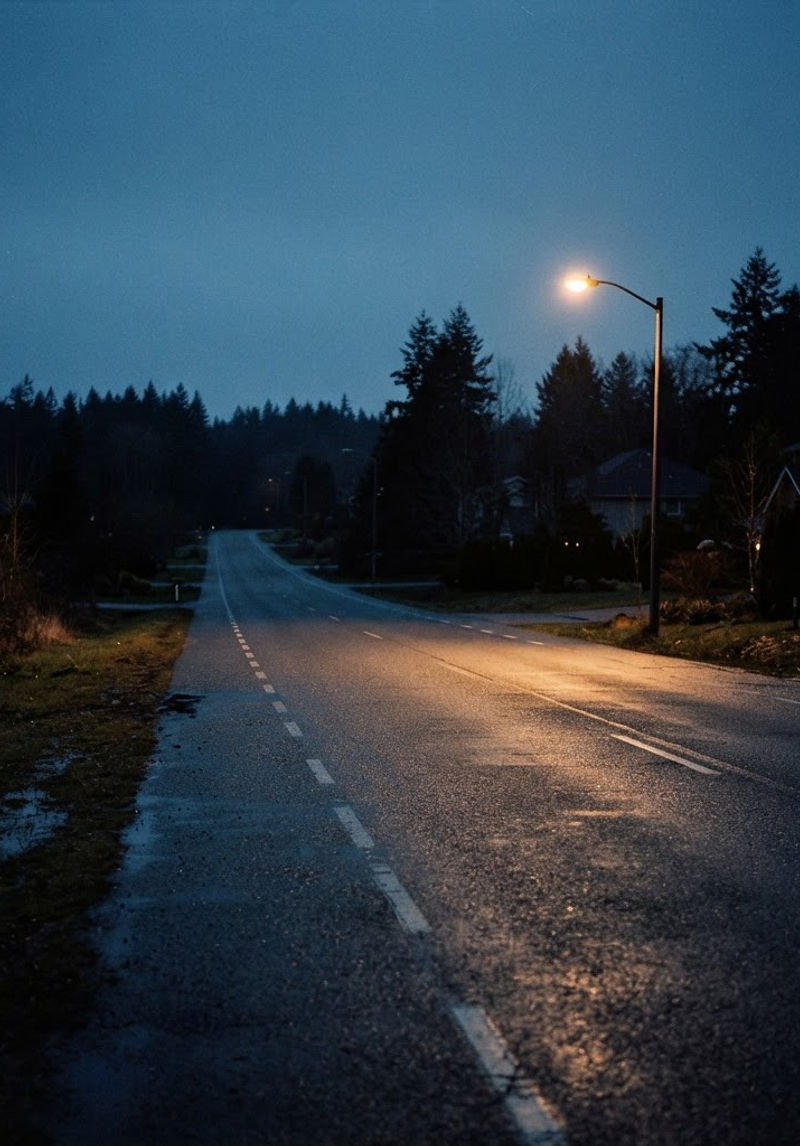
“Nobody in these interviews planned to be in one. They had one drink, one text, one shortcut home.”
Sit with each story for a few minutes. Then ask yourself the only question that matters at 11 p.m. on a Saturday: how am I actually getting home?
Watch the filmsLooping clip · twenty seconds from the film
For schools & administrators
Make the film a prerequisite for the parking permit.
A permit is the one thing nearly every student driver wants from the school. Attaching a fifteen-minute screening to it reaches the exact audience that needs it, without adding a new class or asking the district for a budget line.
Assign the film
One class period, or watch at home before the permit application window opens.
Confirm completion
Students sign the completion log with the debrief worksheet attached to the application.
Issue the permit
A logged completion unlocks the permit. No exceptions, no workarounds — that is the point.
Initiative leadership
Giovanna Guidi
Founder
Student, researcher of other people’s stories, and the person who kept this project moving when it was still just a folder of interview notes.
The story
One Second began with an assignment for a class presentation and a question that would not go away. Why do students who can recite every risk still end up in the car on a Saturday night?
For Giovanna Guidi the question was never abstract: her mother was hit by a drunk driver. She started collecting answers, and kept finding the same thing: warnings were not the missing piece. Stories were. The people students actually listened to were the ones who had been in the crash, arrested at the stop, or sitting in the passenger seat, so she built this site to put those accounts in front of students while the decision is still open.
The second half of the project lives in a parking lot. Schools already ask something of students before they hand over a permit. One Second is built to make that ask count: a short film, a short reflection, and a completion record a school can keep.